Older adults are a valuable source of talent for organizations today and will become more valuable in the next few decades. Mature workers have experience and skills honed during decades of employment. Many have pursued further education and expanded their skill sets during their careers and in periods of unemployment or underemployment. Retaining talented mature workers—and recruiting new ones—is simply good business for most  organizations.
As the world’s population grows and ages, the landscape of human resource management is changing: Working populations are diversifying, more women are participating in the labor force, and the nature of work and workers’ expectations are evolving.1 Mature workers are at the center of these changes, and strategies to harness their talents are essential for any organization moving forward.
This report will help organizations make the most of their mature workforces. Most business leaders and human resource professionals understand that their organizations are feeling the impact of an aging and more age-diverse workforce, but few have analyzed the specifics or developed strategies to deal with the situation.2 Using the practical steps outlined in this report, HR teams can help position their organizations to handle the realities of an aging workforce and to turn this phenomenon into a competitive advantage.
HR managers must play a leadership role during this transition period, positioning their organizations to take advantage of new opportunities and viewing mature workers as a valuable source of talent to meet future staffing needs.
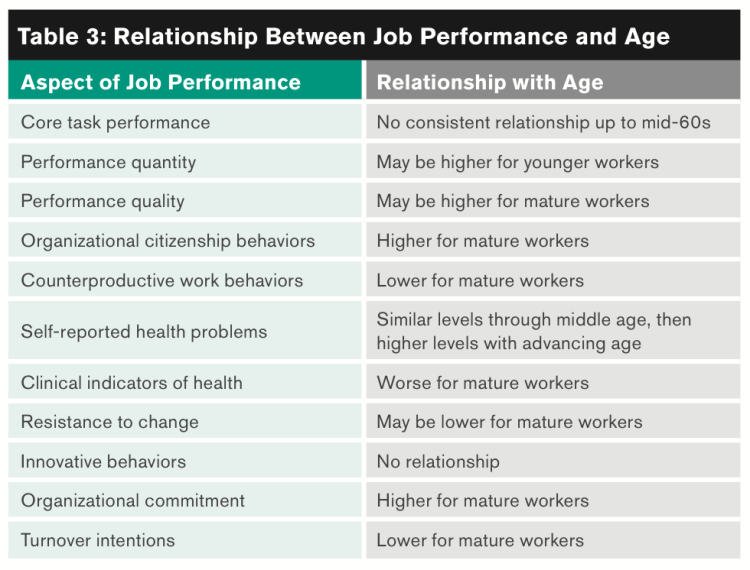
Chosen excerpts by Job Market Monitor. Read the whole story at The Aging Workforce: Leveraging the Talents of Mature Employees.



 Job Market Monitor
Discussion
Trackbacks/Pingbacks
Pingback: Aging Workforce – What can employers do to mitigate the risks ? | Job Market Monitor - June 26, 2015