After all, according to the Dallas Fed, wages should accelerate once unemployment falls below 6.1 percent. Well, the problem, as economists David Blanchflower and Adam Posen point out, is that there’s still a lot of shadow unemployment right now. That includes people who aren’t just officially jobless, but those who are either too discouraged to look for work, or who have part-time jobs but can’t find the full-time ones they want. Now, this broader unemployment rate did fall from 11.8 to 11.5 percent in October, but it’s still got a ways to go before it’s back to normal.
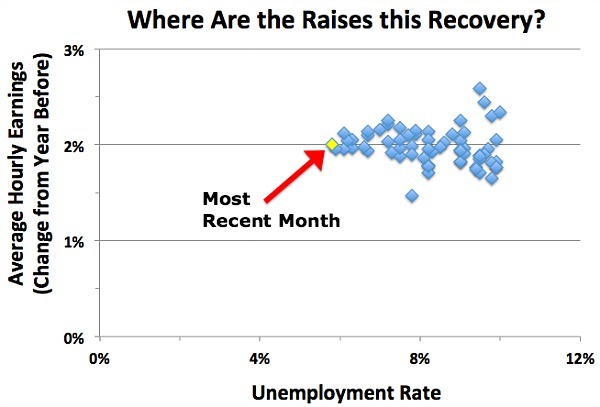
The bottom line is that the economy is growing a little faster than it was before, but not so much that the Federal Reserve should move up its first rate hike from when it’s expected next June. In fact, with wage inflation all but nonexistent, the Fed can afford to wait even longer to start raising rates, and see how low it can push unemployment down, kind of like it did in the ’90s.
Chosen excerpts by Job Market Monitor. Read the whole story at The economy’s Achilles heel: Despite faster growth, wages are still going nowhere – The Washington Post.



 Job Market Monitor
Discussion
Trackbacks/Pingbacks
Pingback: US – The Wage Stagnation in charts | Job Market Monitor - February 27, 2015