More than 100,000 layoffs have been announced across the industry worldwide since prices began to slide last summer, according to a tally kept by Bloomberg. 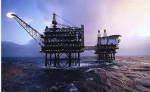
In recent weeks other major service companies have announced job reductions. Halliburton announced it will cut 6,400 jobs (8 percent of its global workforce) while Schlumberger will eliminate 9,000 positions (around 7 percent of its workforce)…
Tens of thousands more jobs have been cut, through layoffs or retirements, across every part of the industry, ranging from self-employed drilling contractors and well-completion crews to full-service companies, seismic surveyors and of course the oil and gas producers themselves.
Oil and gas production is an exceptionally capital-intensive industry. But the sector’s most important and scarce resource is its workforce.
The oil industry’s popular image may be a roughneck in soiled overalls drinking in a strip joint, but it has an enormous demand for highly skilled and, during a boom, very well compensated workers.
Modern oil and gas production is technically complicated and dangerous work. The days of drilling wildcat wells more or less at random and allowing the well to blow out in a massive gusher are long over.
The industry still provides employment for unskilled casual labour. In boom times some of the jobs for truck drivers and other support staff can be exceptionally well paid.
But at its core are tens of thousands of petroleum engineers and petroleum geoscientists, as well as tool pushers, drillers, derrickmen and roughnecks on the rigs themselves, who perform specialised functions which demand years of formal education and, most importantly, experience in the field.
The challenge is recruiting, training and retaining these workers and maintaining an appropriate long-term labour force profile in an industry stuck with a profound boom-bust cycle and beset by periodic mass layoffs.
Chosen excerpts by Job Market Monitor. Read the whole story at COLUMN-Mass layoffs complicate oil industry’s long-term plans: Kemp | Reuters.
Crude collapse leads to layoffs, public spending cuts in Canada’s oil patch
The collapse in global crude prices is exacting a heavy toll on Canada’s oil patch and governments, with industry layoffs now mounting into the thousands and public spending getting slashed.
A series of deep cuts in the energy sector on Thursday, from drillers to oil sands developers, shows the severity of economic strains caused by the halving of oil prices since June.
Chosen excerpts by Job Market Monitor. Read the whole story at Crude collapse leads to layoffs, public spending cuts in Canada’s oil patch – The Globe and Mail.



 Job Market Monitor
Discussion
Trackbacks/Pingbacks
Pingback: Oil and Gas Industry – 100,000 layoffs over oil price slump | Job Market Monitor - May 4, 2015
Pingback: Statoil Cutting up to 1,500 Permanent Jobs – WSJ | Job Market Monitor - June 16, 2015
Pingback: UK’s North Sea – Job losses raise skills and safety concerns | Job Market Monitor - June 16, 2015
Pingback: National Oilwell Varco – To cut 1,500 jobs | Job Market Monitor - June 17, 2015